


|
||
|
|
||
|
||
|
A BRIEF HISTORY OF WEDNESFIELD.. |
||
|
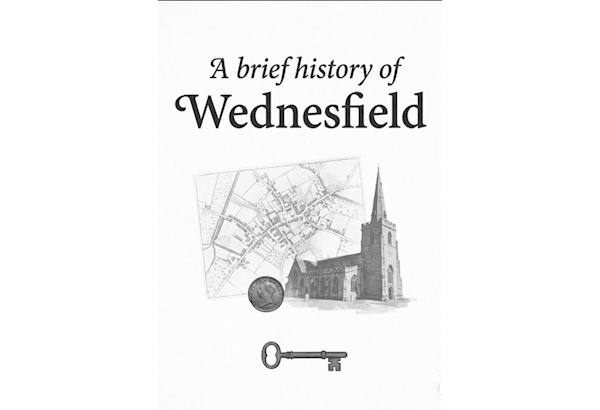
Hi all… HISTORY OF WEDNESFIELD history is defined by its transition from a sacred Anglo-Saxon field to a world-renowned industrial centre, famously nicknamed the "Town of Traps." 1. Ancient Origins: The " Field of Woden " Etymology: The name originates from the Old English , meaning "Woden's field". It is one of the few places in Britain named after the high god of the Germanic pantheon, suggesting it may have been a site of pagan worship or ritual. The Battle of Wednesfield (910 AD): A pivotal moment in English history occurred here (also known as the Battle of Tettenhall). Allied forces from Mercia and Wessex, led by King Edward the Elder and his sister Æthelflæd, decisively defeated Northumbrian Vikings. This victory halted major Viking raids for a generation and paved the way for the unification of England. 2. Medieval and Early Modern Period Rural Hamlet: For centuries, Wednesfield was a small, rural settlement dependent on the church at Wolverhampton. It was recorded in the Domesday Book (1086) with a tiny population of roughly 60 people. Royal Connection: In 1651, following the Battle of Worcester, King Charles II sought refuge at nearby , hiding in a "priest hole" while Parliamentary troops searched the grounds. 3. The "Town of Traps" & Industrial Growth Unique Industry: While neighbouring towns focused on heavy ironworks, Wednesfield specialized in "metal bashing" cottage industries. By the 19th century, it held a near-monopoly on animal trap manufacturing. Global Exports: Local workshops produced everything from tiny mousetraps to six-foot man-traps, bear traps for Russia, and lion traps for Africa. "Humpshire": The local area was nicknamed "Humpshire" because locksmiths and trap-makers spent up to 18 hours a day hunched over filing benches, leading to permanent spinal distortion. Canals and Transport: The (the "Curly Wyrley") opened in 1797, surrounding the town on three sides. Though vital for coal transport, its steep hump-backed bridges were often seen by locals as an obstruction to town development. 4. Modern Development Post-War Expansion: Wednesfield remained largely independent until the 1950s and 60s, when Wolverhampton began building large "overspill" housing estates like to rehouse families from urban slums. Absorption into Wolverhampton: The Wednesfield Urban District Council, established in 1894, was formally absorbed into the County Borough of Wolverhampton in 1966. Retail Transformation: Much of the old industrial landscape, including former factories, was cleared in the late 20th century. This made way for modern developments like the , which opened on former industrial land in the early 2000s | ||
Reply to this message | ||
|


|