

Stay Safe This Winter: The Dangers of Frozen Water

|
||||
|
|
||||
|
||||
|
Stay Safe This Winter: The Dangers of Frozen Water |
||||
|
Good morning Resident
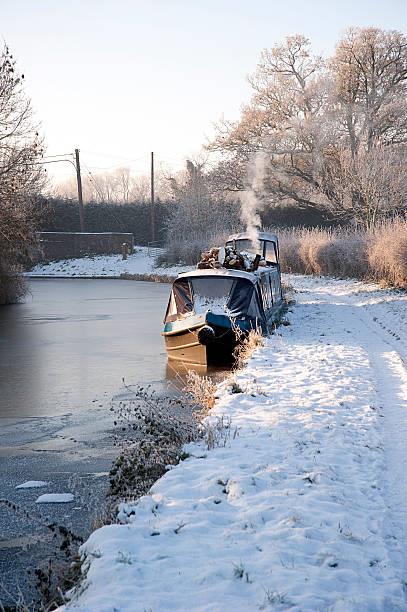
As winter temperatures fall across Wolverhampton, ponds, lakes, canals and other waterways may begin to freeze over. While frozen water can look solid and safe, appearances can be deceptive. Ice is often thinner than it looks and can break without warning, putting lives at serious risk.
Midlands Police and West Midlands Fire Service are urging residents to stay away from frozen water and to talk to children and young people about the dangers. Every year, emergency services attend incidents involving people and animals falling through ice, and the consequences can be devastating.
Why Is Frozen Water So Dangerous?Even when temperatures remain below freezing, ice does not freeze evenly. Hidden currents, varying water depths and changing weather conditions can weaken the surface, making it impossible to tell whether it is safe to stand on. If someone falls through the ice, the body can experience cold water shock almost immediately. This can cause an involuntary gasp, rapid breathing, panic and loss of muscle control, making it difficult to swim or even stay afloat. These effects can impact anyone, regardless of age or fitness level.
Winter Water Safety TipsTo stay safe around frozen waterways this winter: Never walk, play, cycle or skate on frozen water. Keep children well away from the water's edge. Keep dogs on a lead near frozen ponds, lakes and canals. Do not throw sticks, balls or toys onto frozen water for pets to retrieve. Use designated pathways and take extra care on slippery banks and towpaths. Keep mobile phones charged when out walking so help can be called quickly if needed.
What To Do If You Fall Into Cold WaterIf you unexpectedly enter cold water, try to remain calm. Remember the principles of "Float to Live": Fight the urge to thrash about or swim immediately. Lean back and float on your back. Keep your airway clear and focus on controlling your breathing. Spread your arms and legs to help you stay afloat. Once the effects of cold water shock begin to pass, call for help or swim to safety if you are able.
If you fall through ice:Shout for help. Spread your arms across the surface of the ice. Kick your legs and try to slide yourself onto the ice if it is strong enough. Once out, lie flat and roll or crawl away from the weak ice towards the bank. Seek medical attention immediately, even if you feel well.
If You See Someone Else In TroubleDo not enter the water or go onto the ice yourself. Many rescue attempts result in additional casualties. Instead: Call 999 immediately and ask for the Fire Service. Stay on the bank and keep yourself safe. Encourage the person to float and remain calm. Throw them something that floats if possible. If safe to do so, reach with a pole, branch or similar object from the bank. Keep sight of the casualty until emergency services arrive.
Help Us Keep Wolverhampton SafeA frozen pond or canal may look harmless, but no ice can ever be guaranteed safe. By keeping away from frozen water, supervising children closely and knowing what to do in an emergency, we can all help prevent tragedies this winter. Please share this advice with family, friends and neighbours and help keep Wolverhampton safe during the colder months. | ||||
Reply to this message | ||||
|



|